Médoc - News from the Vignobles Paeffgen
Here you find some actual information about our winery in Médoc
You are welcome to send remarks or questions.
(e-mail to: Vignobles Paeffgen)
Detting started
March 2024
The winter was permanently wet and relatively mild - we had no frost days.
Our meadows were regularly flooded. The suckler cow herd was fed for a long time on the higher meadows with hay from the previous summer.
Although our supplies are depleted, they are certainly sufficient.
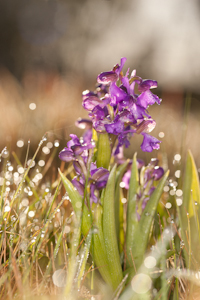
We finished pruning the vines at the beginning of March. The first vines are now sprouting. The first orchids are already in bloom and various trees are already turning green.
Everything is starting a little earlier.
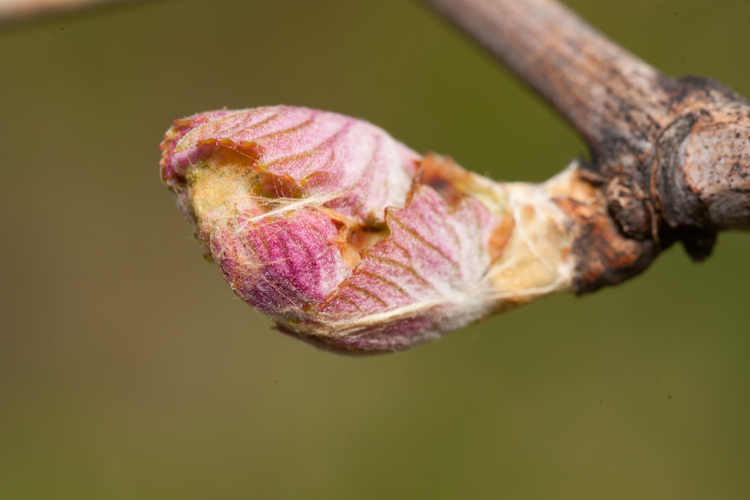
Weeds are very strong this year. Many annual weeds have not frozen. As a result, the mild winters are turning various annual plants into perennials.
Due to the wet conditions, we can only start mechanical weed control very late. We now have some catching up to do.
Various insects remained active over the winter and are now immediately present in large numbers as temperatures rise.
It is to be expected that the zoosporangia of peronospora (mildew) will mature quickly under these conditions and that a very early fungal infestation may occur.
Marais blanc
December 2023
Our wet meadows have been flooded. Because the light is reflected on the surface of the water, this flooding is called 'Marais blanc' here.
Unusually heavy and persistent rainfall has brought us welcome quantities of water. It quickly became more than enough... and it doesn't want to stop raining.
We had to cancel the tilling of the vines. The soils are soaked and fully saturated. The good drainage of our soils in Médoc has quickly raised the water table.
It doesn't want to stop raining at all. The vines now 'sleep' in winter, so the roots don't suffocate so quickly in the full water saturation of the soil.
During the vegetation period, the kind of wetness we have been experiencing for weeks now would be very dangerous for the vines.
The weather/climate stress will continue to increase.
So far, we have coped well here in the Bordelais – thanks to the buffering effect of the Atlantic.
However, it is very difficult to predict where the changes will lead and the vine culture is very sensitive to the weather.
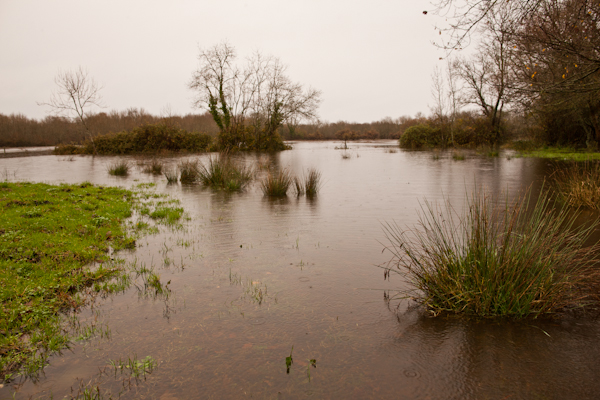
Such extreme weather conditions, which are clearly becoming the new normal, are problematic. This also makes it difficult to assess the cultivation measures.
It is an extraordinary stroke of luck that I have significantly increased the humus balance over the last 12 years, which has also visibly changed the plant community in our vineyards.
This in turn is a clear sign of a healthy and diverse mycorrhiza. The poor gravel in our vineyards with less than 10 cm of topsoil makes it difficult enough for the mycorrhiza.
Unfortunately, wild boars are very keen on these fungi and literally plough through the soil between the vines. This causes real damage.
Mantis clutches
December 2023
The winter work has begun. The vines without leaves provide a clear view for proper pruning.
At the same time, abandoned bird nests and mantis clutches can be found. These will survive the winter and show that the vineyards are alive.
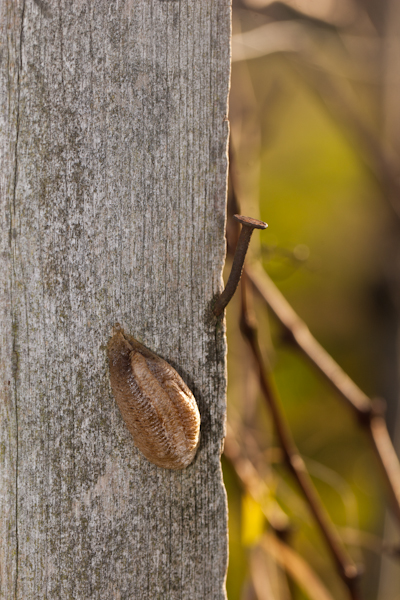
This clutch is ready to reawaken in spring.
Drought
August/September 2023
The dryness in the soil has accumulated over the last two years. During the course of last winter, we did have rainfall and therefore did not start the spring quite as dry.
So far, there has hardly been any significant rainfall during the vegetation period. The vines are still coping very well.
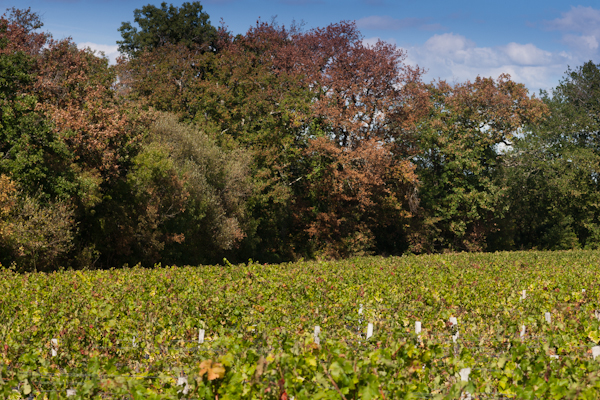
The trees surrounding our vineyards are already suffering serious drought damage and shedding their leaves. Some oaks are already completely brown.
This must not become a permanent condition. There are always thunderclouds on the way, but so far we have hardly been affected by them.
This clutch is ready to reawaken in spring.
Beekeeping
August 2023
Our eldest son has started his own beekeeping business.
Here he shows very young potential beekeepers how it works and what to do.
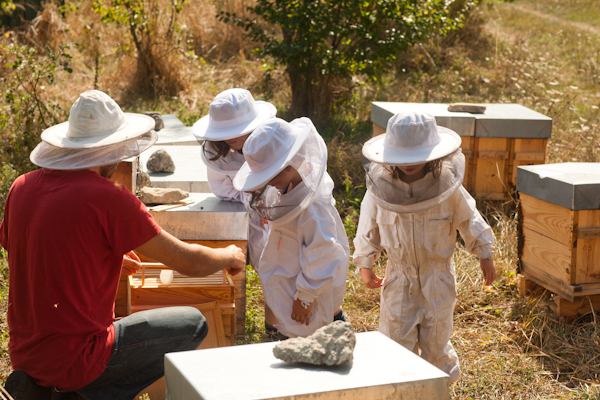
The bees are now behind the Château just before the meadows and they will stay there until the beginning of spring.
Unfortunately, the 'Asian hornet' is already helping itself to the bees again. However, the population should not be endangered by this quantity.
Grape colouring
End of July 2023
The grape colouring has started very early this year and is progressing rapidly.
It was not easy to keep the grapes healthy. Despite the pronounced dryness in the soil,
the very high humidity led to enormous fungal pressure. In places, we are also affected with harvest losses due to mildew.
Overall, however, the situation is good. The quantity of grapes has been made so far and with the colouring the grapes
are now immunised against mildew infestation.
Now, with August, the decisive phase for the quality starts.

We are now in the middle of the grape colouring, which means that the beginning of the harvest is already very close to mid-September.
European pond turtle
July 2023
It has become very dry here in Médoc. The turtles only have a few places left where there is sufficient water.
The resting places are becoming scarce and the squeeze is correspondingly severe.

Sometimes they also prepare to practice for the 'Bremen Town Musicians'.
Nutria
May 2023
This nutria is not disturbed during its midday rest. Brought in from South America, these little animals reproduce here splendidly and are now,
well or badly, a part of the landscape. Unfortunately, they undermine the banks of the canals in the meadows with their tunnel constructions.
This not only destabilises flood protection, but also endangers our cows when their legs collapse while grazing. Sometimes a cow limps for a few days.
Fortunately, no fracture has occurred so far.
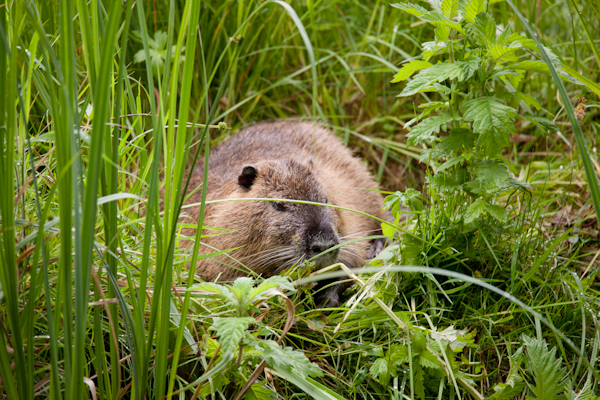
Otherwise they are actually quite cute...
Orchid blossom among the vine and in our meadows
Avril et Mai 2023
Every year it is a wonderful gift of nature. Today, for the 1st of May, I took these pictures during a morning-walk.
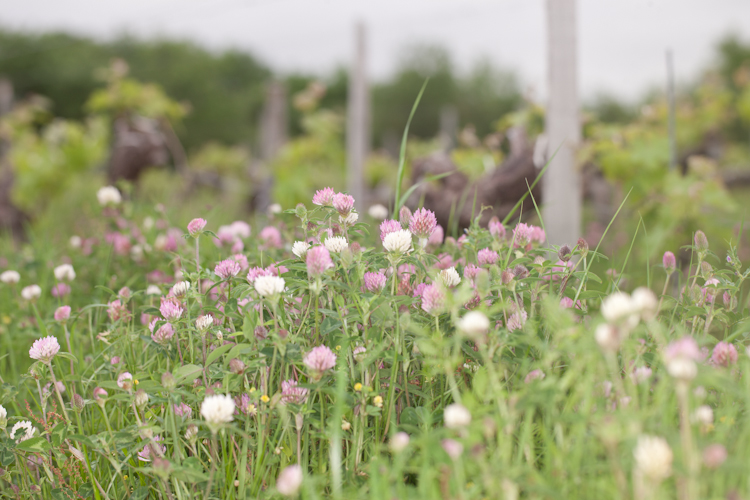
They may not be orchids, but red and white clover also look good between the vines.
Now let's get to the many orchids.
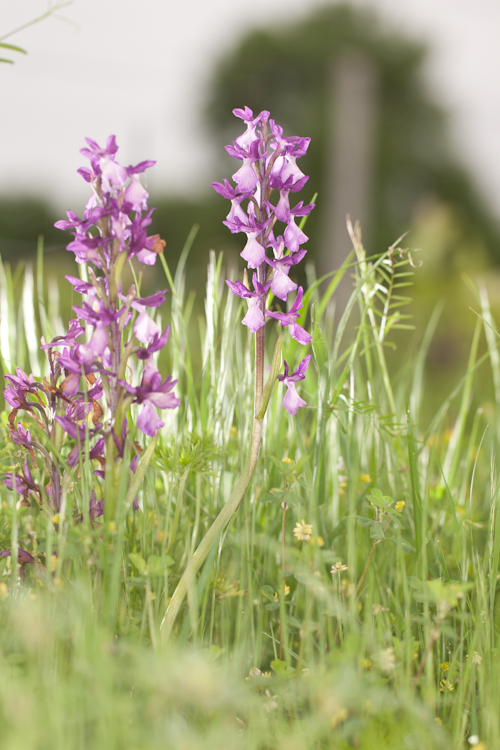
This orchis morio / small orchid is well maintained in the vegetation between the vines.
The flowering period of this orchid is almost over. There have been many this year and seeding is assured.
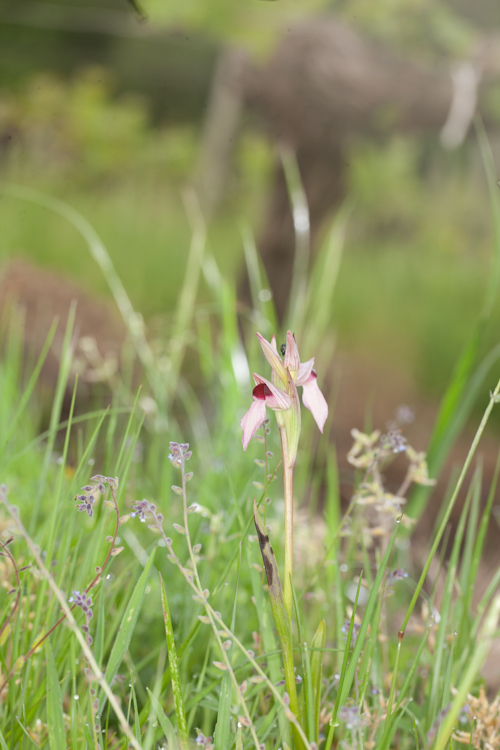
This Seraspias lingua / One-tailed Tongue Stalk offers wild bees shelter for the night.
In the morning there is a sweet breakfast and a pollen packet for the next flower...
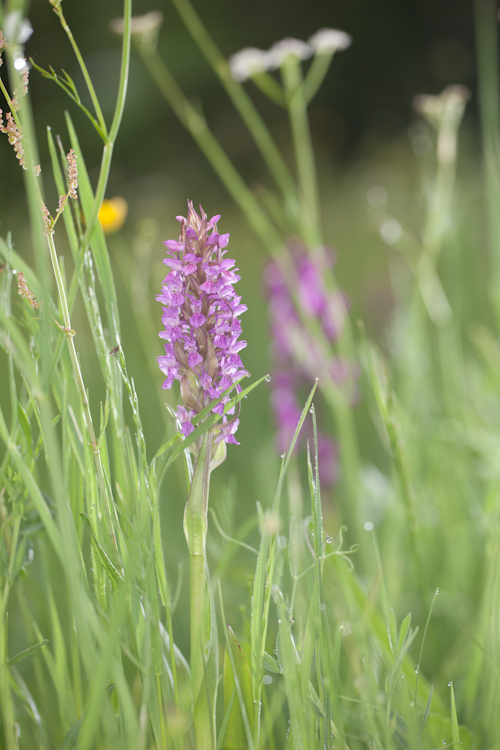
This Dactylorhiza incarnata / Flesh-coloured orchid grows in our meadows/marais.
Our meadows are only 2-3 metres above sea level and are relatively wet.
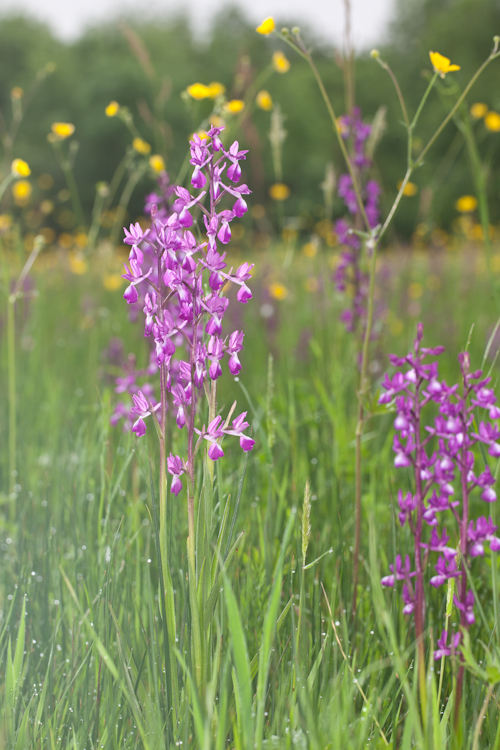
Orchis laxiflora / Loose-flowered orchid is the most common orchid in our meadows/marais next to Seraspias. It needs waterlogging over the winter, which it gets in abundance on this site. At the beginning of May it turns our meadow blue.
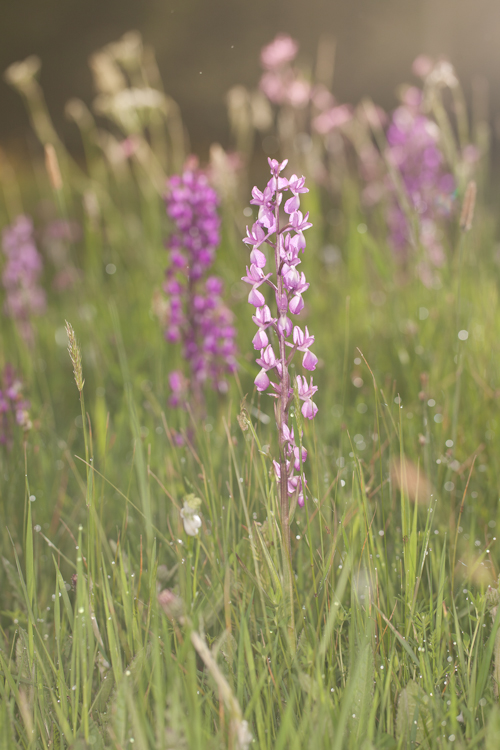
Orchis laxiflora / Loose-flowered orchid shows many different variations.
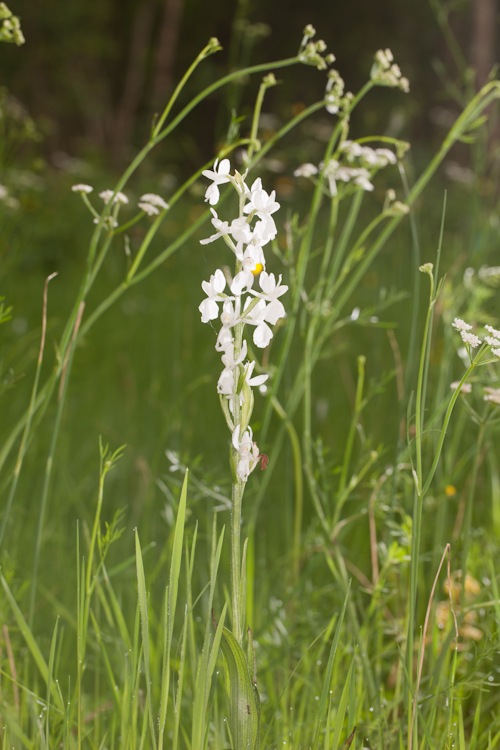
Here an Orchis laxiflora alba. A very rare 'albino' variation, and such a large specimen at that.
Aging in Barriques
January and February 2023
Exactly 392 barriques were emptied. The barriques that had already been
filled three times went out. New barriques for the first filling were put in
place. The Châteaux Clos du Moulin and Lassus have already arrived in the
barriques. The filling with Le Reysse was a bit later this year.
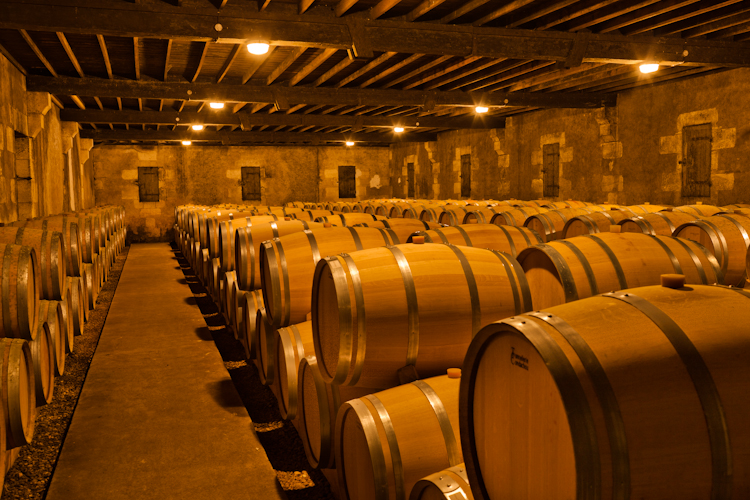
The Cai Barriques of Château Lassus
On the home stretch
03. of september 2022
The ripeness of the grapes remains unimpressed by the drought - so far. The sugar content is already surprisingly high, but the grape skin is still very firm.
With a little rain, the ripening will now go quickly. The preparations for the harvest are now underway.
The harvest is still expected to begin in mid-September.
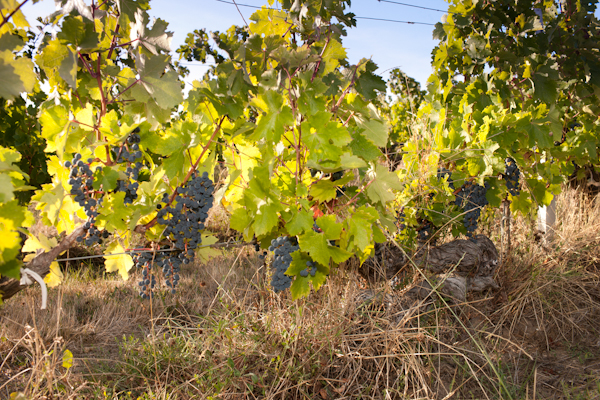
Cabernet Sauvignon in the Enclos
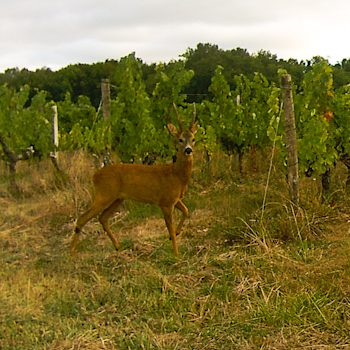
In the Enclos, I found considerable feeding damage in some places. In order to catch the culprit,
I set up two simple photo traps and I am very surprised at what is going on in the vines.
Deer, foxes, wild cats, birds of prey, hares, wild boars and badgers.
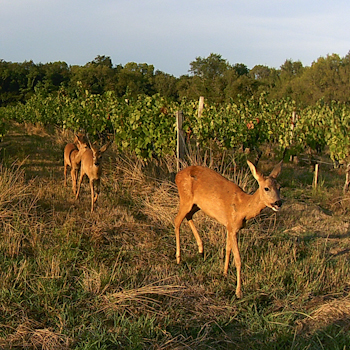

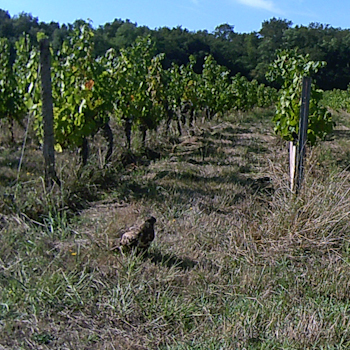
The birds of prey like the spot, probably because the seeds in the droppings attract rodents.
One of the birds has a snake in its catch, it is very difficult to tell from the photo.
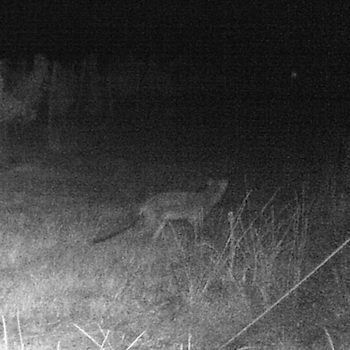
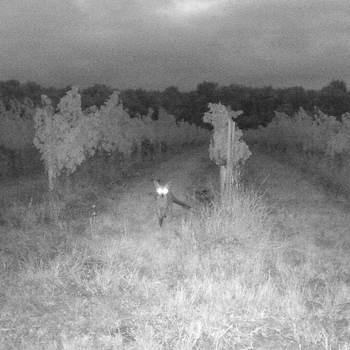
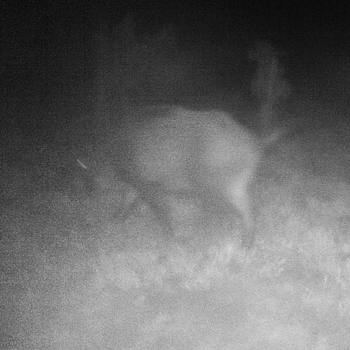

It is the badger that comes to this spot every night and certainly causes the most damage to the grapes.
I try to keep him away with a fence, but so far he is not very impressed.
DROUGHT
07. of august 2022
It remains a dry year. There is nothing left of the precipitation of the second half of June.
All channels in our summer meadows have dried up completely. Added to this are dry winds and high temperatures.
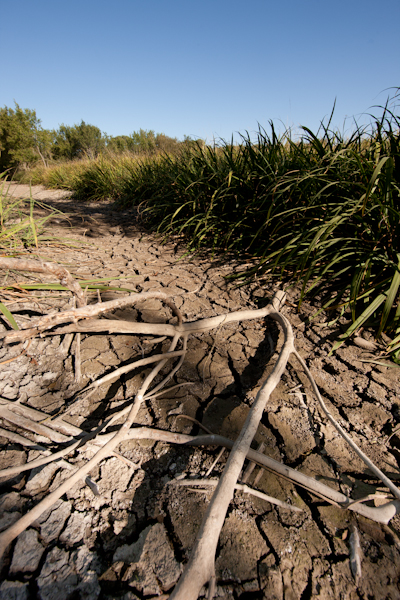
Here in Médoc it is not quite as hot as inland, but the heat is unusual. The forage growth will last a while for our cows.
They'll soon be grazing in this summer meadow. With a bit of luck, the herd can stay there until after the harvest.

Normally our cows find water here.
The grape colouring started early, as expected. With this dryness, the colouring slowed down in the meantime, now a few cooler nights have almost brought the colouring to an end.
The drought has not yet caused any significant problems for our old vines.

However, rain is urgently needed. Many trees are already starting to shed their leaves to save water.
Whole branches of the ash trees in the meadows are already breaking off.
Bats in the Chai-Barrique
21. of may 2022
Outside it is very warm during the day. The bats then retreat to the coolest room. That is the chai barrique. That's where they leave their
tellate traces... on my barriques!

A bat eats more than its own body weight every day. That has to go somewhere. The insects are decimated in this way.
I don't have to look for long, because they hang tightly together above it and sleep the day away.

It is the 'Grey Mouse-Ear'. The group will grow in the next few days. So will their droppings.…
Meanwhile, outside in the heat, two wrath snakes (Hierophis viridiflavus) perform their wedding dance.
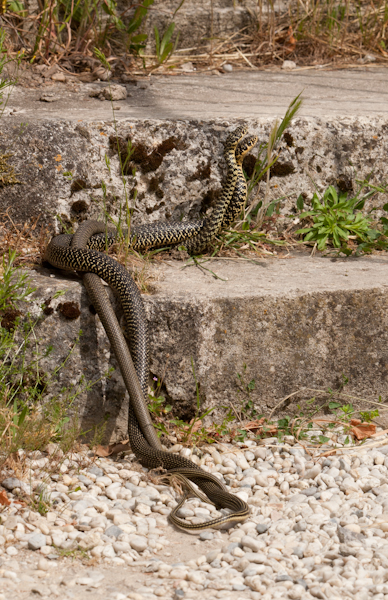
They are so busy that they are very easy to photograph.
Orchids flowering May 2022
04. of may 2022
Many orchids are flowering in the summer meadows at the moment, the loose-flowered orchid is particularly numerous and conspicuous.
Because of the winter drought, many plants are small-growing, because this of all orchids needs a lot of water on its site in winter. It is simply beautiful like a Garden of Eden.
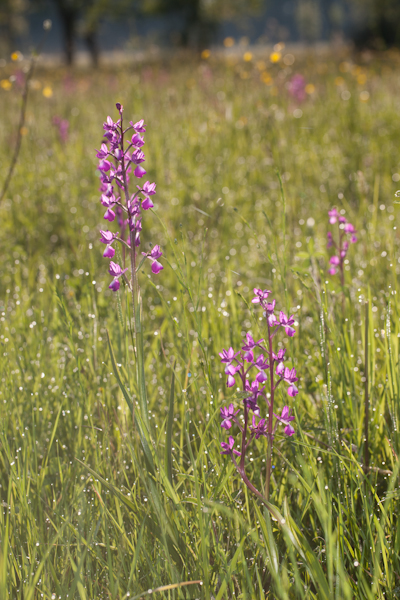
From mid-June onwards, our suckler herd will graze there and then return to the larger pasture behind the Château to
graze the second growth shortly before the harvest.
The Vines
The dry winter continues to have an impact. The subsoil is by no means saturated with moisture. There is not much left in the soil from the heavy rainfall of the past week (35 mm after all).
The vegetation is now drawing off a lot of water. A dry year is on the horizon.
This makes mechanical weed control effective, which is why we can probably do without herbicides in the wide rows; however, the wear on the coulters is very high (dry gravel causes abrasion).
The favourable growing weather compensates for the frost stress. The young plants sprout very early every year and these shoots are almost completely frozen in the late frost. The reserve buds are now coming out well here. In the older vines, the shoots faltered and the buds developed unevenly.
After two weeks of favourable weather, there is hardly any sign of this. If the forecasts for the next 10 days are correct, this issue will be a thing of the past.
Our vines look good!
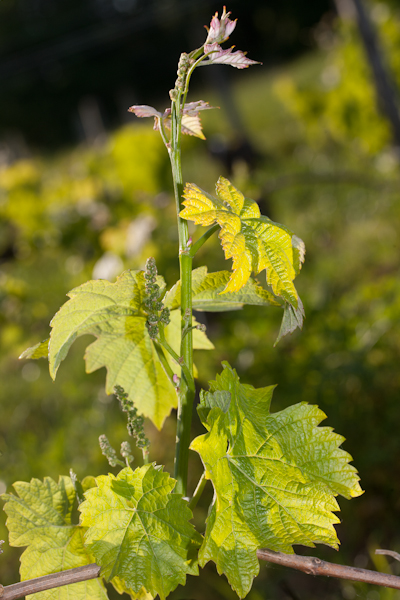
There is hardly any talk of disease pressure. However, powdery mildew will be present as soon as the leaves of the vines provide enough shade. Fortunately, the precautions for this are relatively simple.
Downy mildew and black rot are not an issue at the moment. We have again planned control plots without any plant protection at all. The first plant protection treatment has not yet been done anyway.
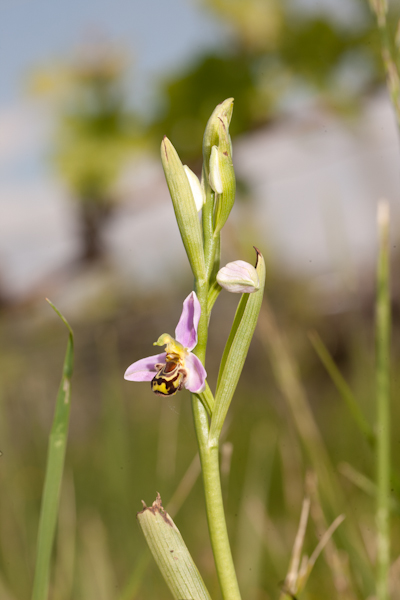
Orchids also bloom between the vines. This one is bee orchid (Ophris apifera).
Frost damage
04. of april 2022
Unexpectedly, we had temperatures of up to minus 4°C.
Low temperatures had been announced. However, we had not expected this cold. The Merlot vines were in the early phase of budding on some plots.
There, some early buds took damage, but it is not the case that not all buds on a vine are affected. There are still two to three undamaged buds on the branches.
Only the newly planted vines from last year have completely frozen because of their early budding and must now sprout again from reserve buds. Our sites on the Gironde were not affected by the frost.
The cold was able to strike so aggressively because it is still very dry. Since the beginning of the year we have hardly had more than 20 mm of precipitation - far too little.
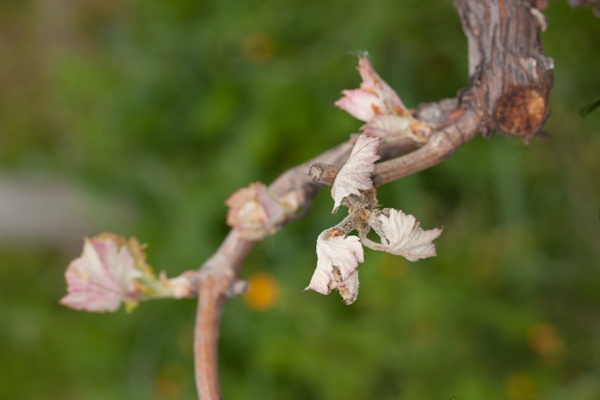
These extreme weather events are now part of the climate changes.
By cutting in the order of the vineyards according their exposure as well as by the pruning itself, we have already taken measures to be able to deal with the late frost danger - as best we can.
This has already proven successful, because no vine is completely affected by the frost. That keeps the damage within bounds.
How big the losses will be in the end can only be assessed in a few weeks.
The search for cultural measures to adapt to this changing situation remains.
Winter 2021/22
The winter is mild and dry so far.
The soil is still well soaked from the last rainfall in December, but it is not really wet.
This allows the soil temperatures to rise quickly during the day and the vegetation is hardly impressed
by the light morning frosts around minus 1-2°C. Some herbs are already flowering and the clover is already sprouting.
Some herbs are already in flower and the clover is sprouting.
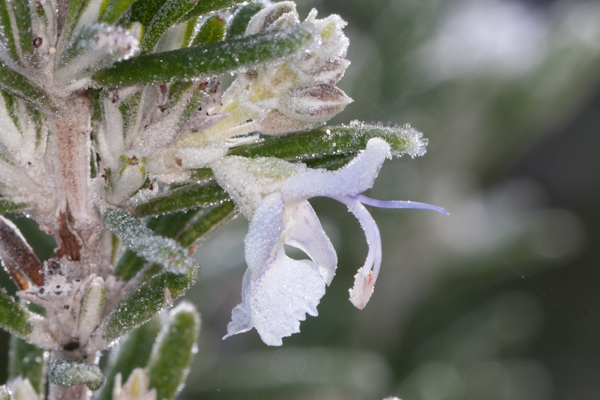
We will have to start working the soil very early to get the vegetation under control.
The changes in the climate mean that vine cultivation will have to be adapted immediately. Meanwhile, pruning and tying work is going well.
In the ‘Chai’, I have finished the assemblage of LASSUS 2020, CLOS DU MOULIN 2020 and LE REYSSE 2019. The barriques have been repositioned
and the 2021 vintage is now in the barriques for ageing.
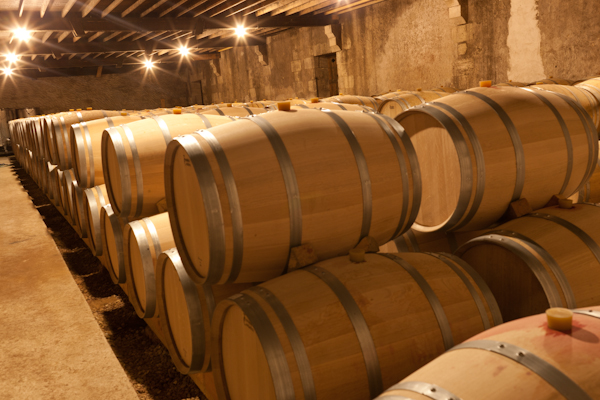
While filling the barriques, I noticed that the bats have retreated to their winter quarters.
They are now in hibernation. To do this, they separate themselves from the group and hang individually somewhere well hidden in the chai wrapped all around in
their flight skins. In hibernation, their metabolism is shut down and it is not possible for them to wake up or fly away quickly. Therefore,
they should be left well protected in their place.
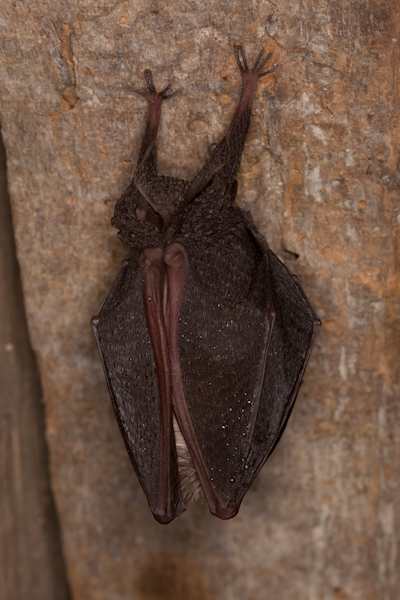
However, a photo should be taken to show the comparison with 'summer sleep'.
Because in summer they hang close together, half-awake and ready to take off at any time.

October 2021
Yesterday I was pleased to receive the first prize
for 'Équilibre Agro-Écologique' (Agro-Ecological Equilibrium) for our
pastures.
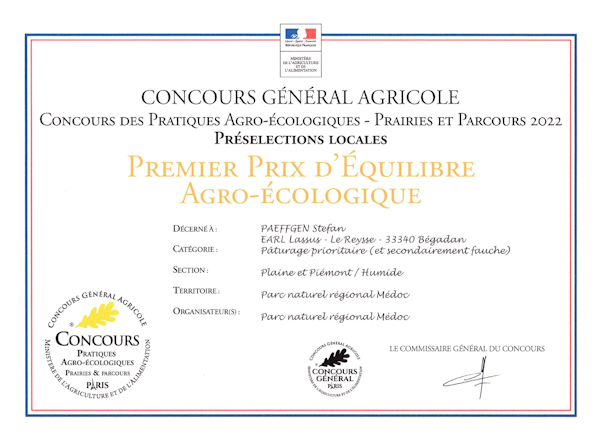
In the summer I took part in this competition of the Parc Naturell du Médoc (PNR) with our summer meadows.
The botanist who was on the evaluation committee freaked out. It wasn't even the enormous number of orchids, but very rare clovers and actually inconspicuous herbs that
are also on the red list. (My cows also like to eat them...). Add to that the many marsh turtles, the entire landscape and our meadows were awarded the first prize.
I see this as a tribute to our natural farming methods and this wonderful landscape of the Médoc.
October 2021
Picking season - Status 13. October
The harvest of the Merlots is almost finished. Because of the threat of botytis, some vineyards had to be harvested earlier then palnned.
The first two days of harvesting the quality was below expectations. What was harvested afterwards is surprisingly good. The vinification and extraction is going fast.
Since Friday of last week, we have interrupted the harvest because this wonderful autumn weather which allows the vineyards that have remained healthy so far to continue ripening optimally.
It is expected to continue tomorrow, at the latest the day after tomorrow - Friday. The quality development is promising.
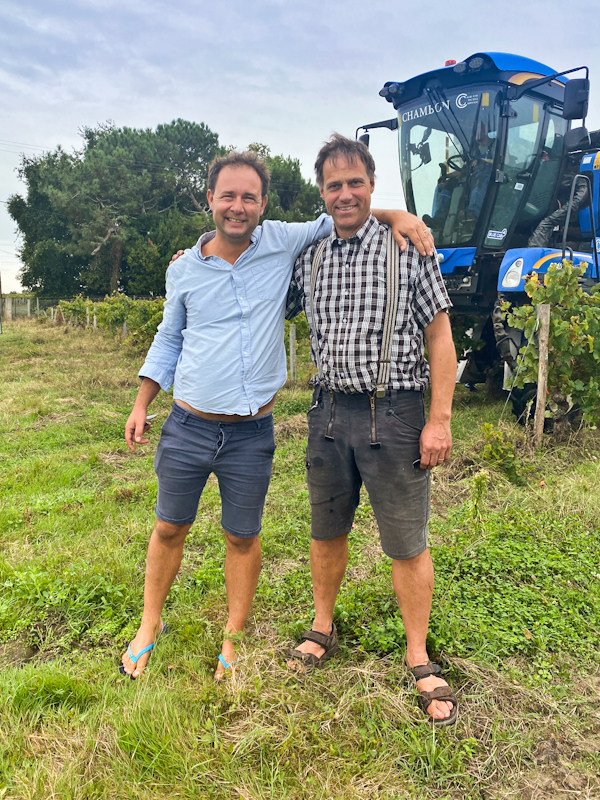
In between, Alexander Oetker (writer) was here for a visit. He showed lively
interest in our vine culture and winemaking process.
A welcome change.
September 2021
The summer of 2021 was very work intensive.
The weather conditions required constant readjustments. All cultivation measures had to be aligned very promptly with the development of the vine crop.
Sometimes the cultivation measures deviated far from the standard programme. For example, the foliage work could only be carried out selectively and
very gently because the vegetative plant apparatus had to fight very hard against downy mildew (Mildiou), powdery mildew (Oïdium) and black rot.
In a sense, these fungi took over the foliage work by decimating it. The regular rainfall made it difficult for the greenery to grow under the vines.
Finally, in the first week of August, the weather improved. Very quickly it became warm and with unusual easterly winds also really dry.
Our vines were unimpressed by this drought, as the soil structure during the wet period allowed excellent drainage, which is absolutely necessary for healthy root growth.
Grape colouring started at the beginning of August and was largely completed within two weeks. This reduced the fungal pressure enormously, as the coloured grapes are immune
to powdery mildew and the older leaves with their wax layer are also very protected. We had already reduced the plant protection measures in the course of July and switched
to very gentle agents. This may seem risky in view of the weather, but it is feasible if the vine culture remains stable and is well monitored. Only in this way can I guarantee
that our wines are free from residues of the plant protection measures.
The young leaves at the tips of the shoots are now defenceless against downy mildew (Mildiou) and affected accordingly. However, there are enough healthy leaves in the foliage front
for photosynthesis, which is needed for ripening in the coming weeks.
Grape ripening is proceeding very well with the summer weather. Now in September we had two weekends of rainfall of 20 mm each. This reduced the sugar concentrations, but the ripening
process with acid degradation and the build-up of tannins and anthocyanins is rather positively influenced by this. Only botrytis/grape rot is now a serious danger.
In the course of ripening, the grape skins become thin, which offers the fungus opportunities for attack in the presence of moisture, the current sugar levels and higher temperatures.
The very stable weather situation around the change of the moon (full moon on 21.09.) gives hope that favourable ripening weather will also prevail in the coming weeks.
The Merlot berries are very large. This suggests that the content of tannins and anthocyanins will not be so high in relation to the juice. The Cabernets look good. Given this situation,
we want to wait as long as possible with the harvest. Provided the grapes remain healthy. The Cabernets are not very far behind the Merlots in their ripening development.
The harvest will probably proceed without major interruptions.
Now we have to prepare everything optimally. We have finished the 'pre-harvest' of the unripe grapes / green harvest and the preparation of the vineyards.
The chai is clean and the harvesting machine is set up and checked. Every year, the days before the harvest begins are accompanied by a certain tension.
One or two colleagues have already started reading. It's like every year ... it takes nerves, a certain confidence in one's own risk assessment and luck.
Now it's all about quality potential versus quantity security.
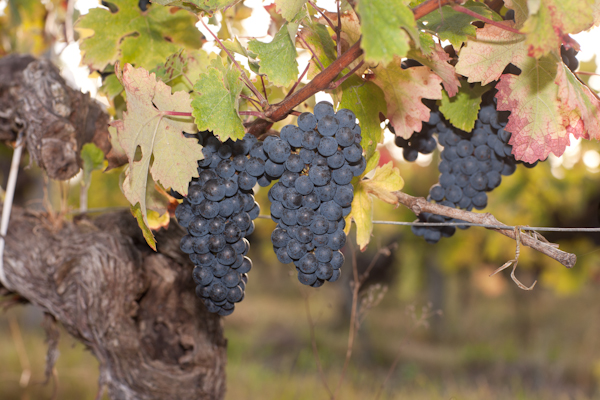
Picking will start in a few days.
June 2021
If April was cold and dry, May finished cold and wet.
Here in Bégadan we had 130 mm of rainfall and in the evenings the fireplace warmed up regularly.
There was no disease pressure. The cool weather slowed down the development of the spores of downy mildew (Mildiou) -
once again it went well. Here and there we find the first infections of black rot, so we will be careful.
The growth of the shoots is very heterogeneous. Every metre of distance from the Gironde counts.
With the influence of the cool weather, there are astonishing differences in relation to the distance to the Gironde.
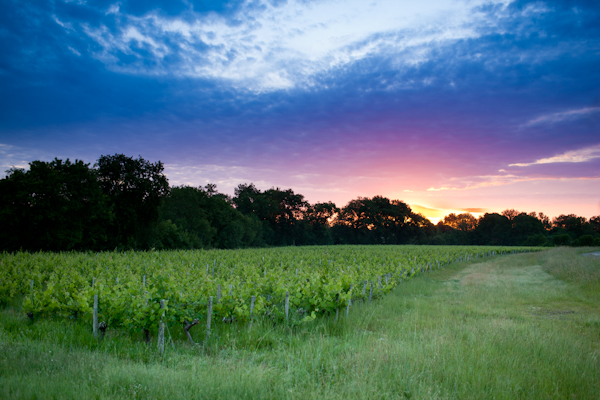
I found the first flowers in the vine on 25 May - close to the Gironde, of course.
In the meantime, flowering is going well everywhere. The now warm weather should be perfect for good flowering. However, the phenomenon could also occur
that the plots that have not been able to develop well vegetatively so far are now making up for it. The push into vegetative growth may well compete
with the flowering and weaken it. So wait and see...
At first it looked like a drier period, but nothing came of it. Oppressive heat alternated with thunderstorms and heavy rain. The rainfall added up to more than 100 mm.
Fortunately, flowering did not suffer, but there was enormous fungal pressure. Weed control without herbicides also becomes a real challenge in such situations.
The vegetative growth of the vine is enormously fast in such situations.
May 2021
Now it has hit us after all.
During the early morning of 03 May, frost damage occurred at Château LASSUS
on a smaller plot in Dignac. Fortunately, the damage is very limited. How
badly this parcel is damaged by the frost will be seen over the next few
days.

The first week
of May finally brings some rain. The spores of downy mildew will soon
complete their development at the current temperatures and increasing soil
moisture and endanger the vines. We have already made very good progress
with the foliage work on the sensitive plots, which takes some of the
infection pressure out.
April 2021

Austrieb Wein - Merlot
The vine is budding. The continuing cool
temperatures have delayed budding somewhat. In contrast to regions south and
east of Bordeaux and many other wine regions in Europe, we are spared damage
from late frosts at the beginning of April. This is due to the proximity to
the Gironde (0-2 km) as well as the Atlantic (20 km). Despite the strong
temperature fluctuations, budbreak is homorous and promising.
Due to the mild winter and the 'tolerable' plant protection measures of the
last few years, the slugs have developed into a real plague. The damage
these little animals can cause is enormous. If the freshly opened bud is
eaten, the plants for the first leaves and flowers are damaged. The budding
is crippled and there are hardly any/no grapes. The vine overcomes this and
can later build up foliage - there are hardly any grapes.
The dryness simplifies the weeding measures enormously. The vegetation is
not very strong and hardly competes with the vines. In addition, tillage
under the vines is very effective. Once the vegetation has been worked out,
it no longer grows in this drought and quickly dries up.
The same applies to plant protection
measures. There is hardly any fungal pressure. The spores of downy mildew
are slowed down in their ripening process in the soil during this drought
and are not infectious. At most, powdery mildew can attack the young shoots
of the vines. The sensitive plots only had to be treated once with sulphur.
Otherwise, plant protection measures were not an issue.
March 2021
Spring
A very wet and
mild winter is followed by a very dry and rather cool spring. The soils in our vineyards
became dry in the course of March. As a result, they warm up more quickly during the day
and promote early budbreak, despite critical night temperatures. The risk of damage from
late frosts is very high in such situations.
The vegetation starts at the beginning of March. The ash trees and the first
spring flowers are in bloom. The first orchids in our vineyards bloom just
in time for the beginning of spring around 20 March. The wine is now also in
the starting blocks. This is evident from the red colouring of the buds. As
it has remained dry, the soil warms up more quickly, but can also store less
heat overnight. Therefore, the danger of late frosts in the early morning
hours increases. We prune the endangered sites as late as possible, which
delays budbreak here by up to 10 days.
Questions Remarks Comments to:
Vignobles Paeffgen